IssueNovember 2026
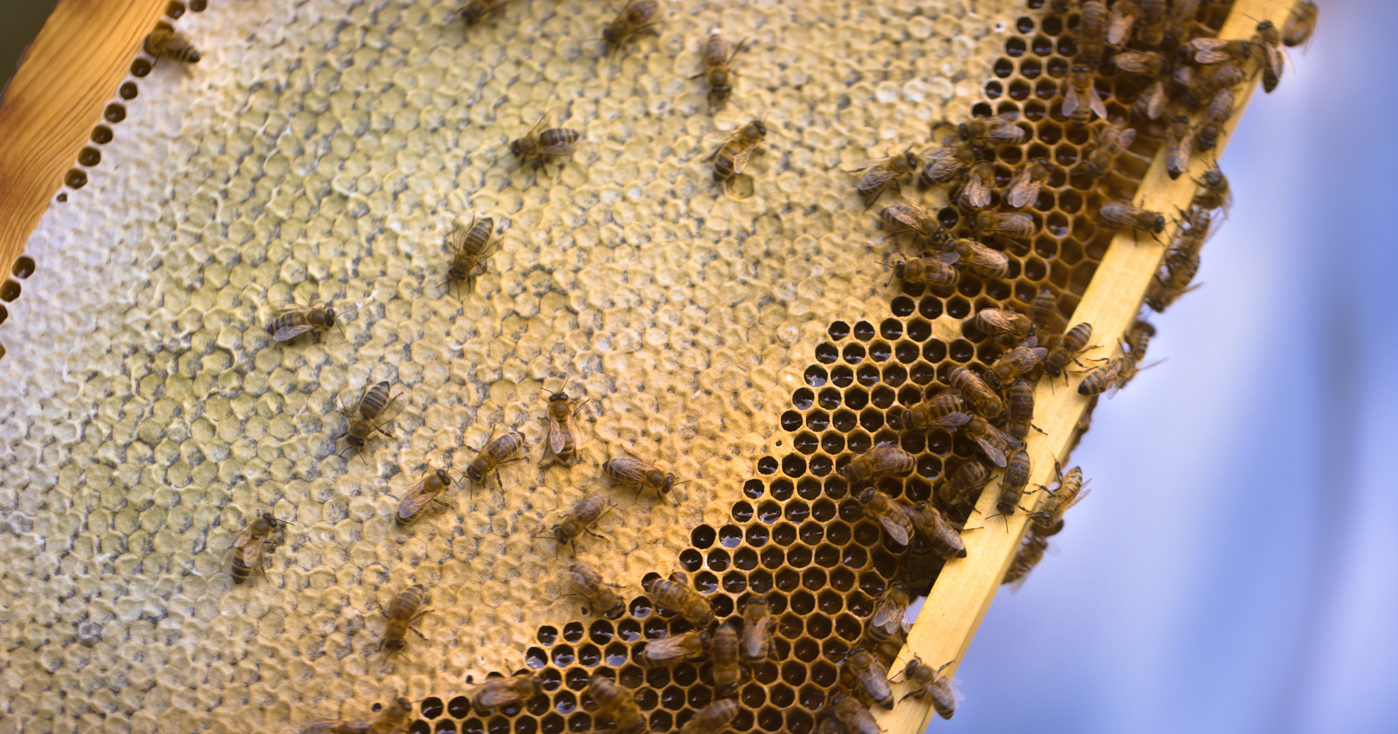
Is honeydew honey real honey?
Yes. What honeydew is, how bees make it, and how it differs from flower honey.
ReadOur journal is where Riza's way of cooking, listening, and living comes into view: recipes built around honest ingredients, conversations that shift how we see things.
Yes. What honeydew is, how bees make it, and how it differs from flower honey.
Read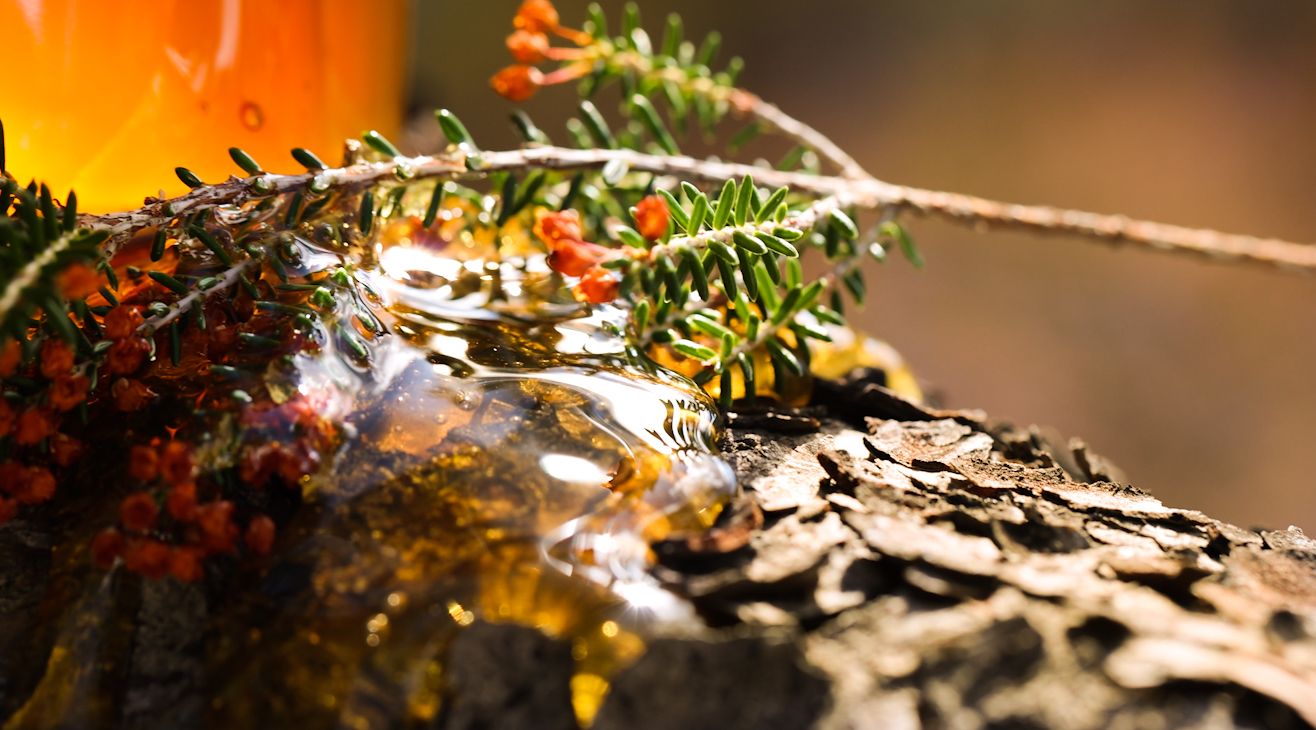
The rare honeydew honey of Mount Mainalo, and what its Protected Designation of Origin means.
Read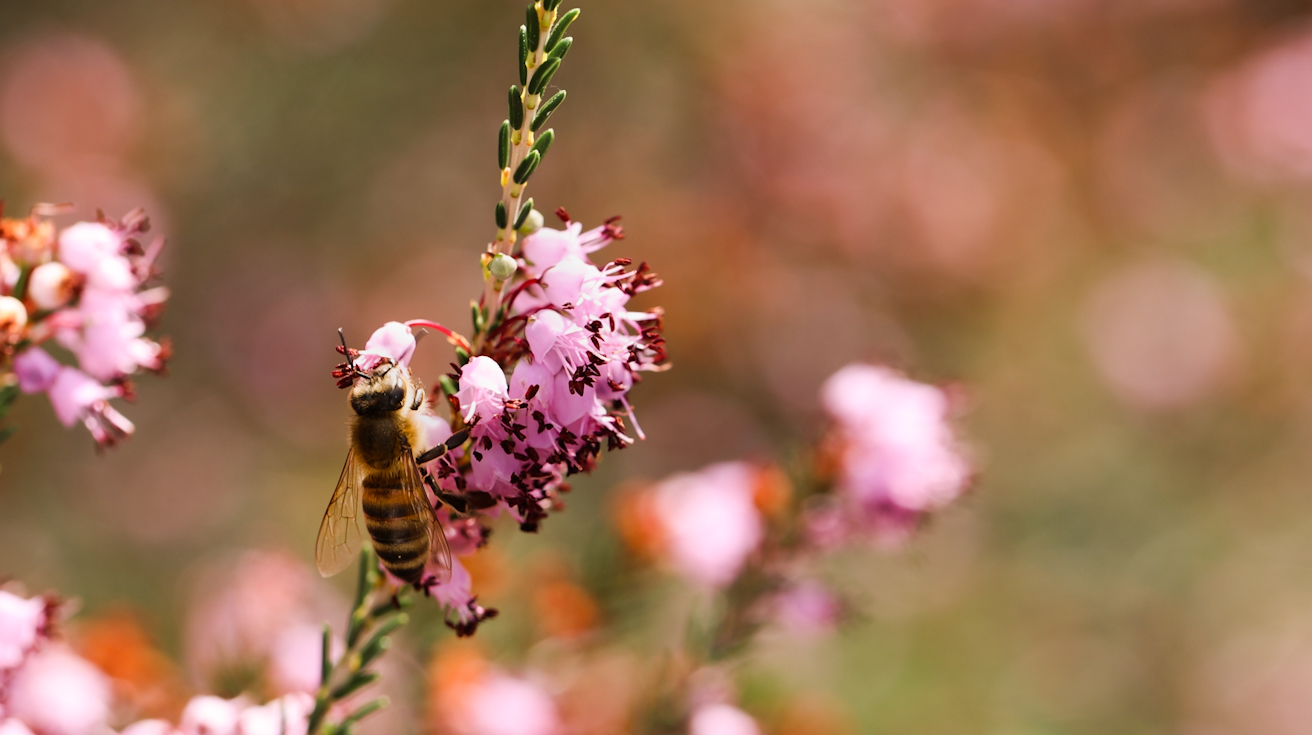
A closer look at the living system beneath every meadow, olive grove, hive and harvest.
Read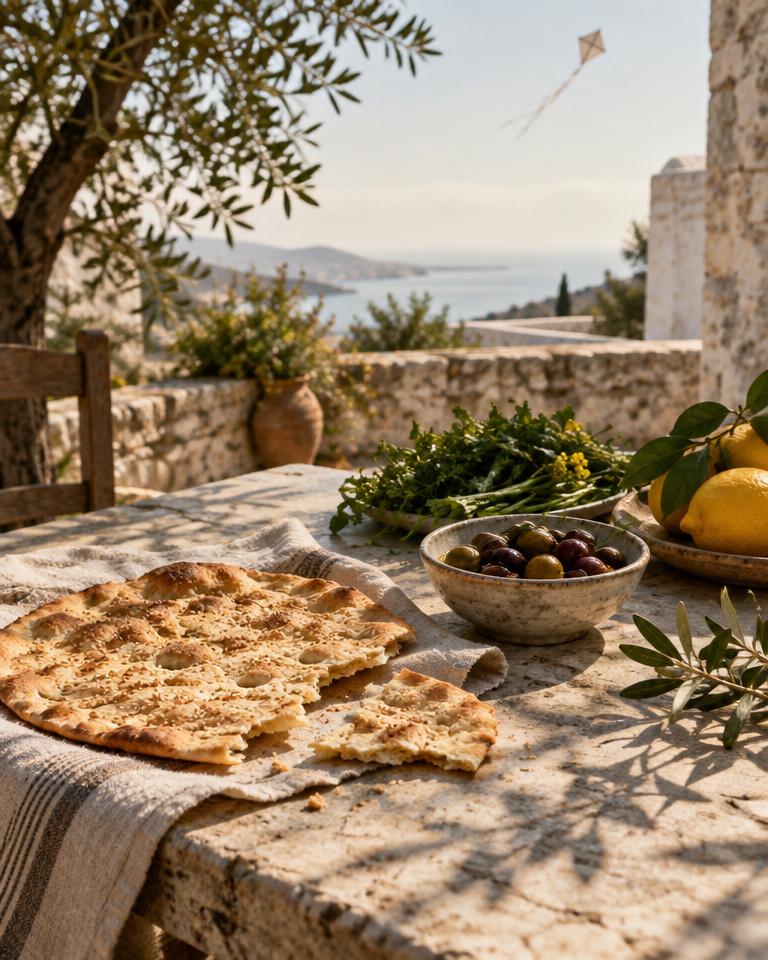
What the Greek Orthodox season of Lent can teach us about restraint, reflection and renewal.
Read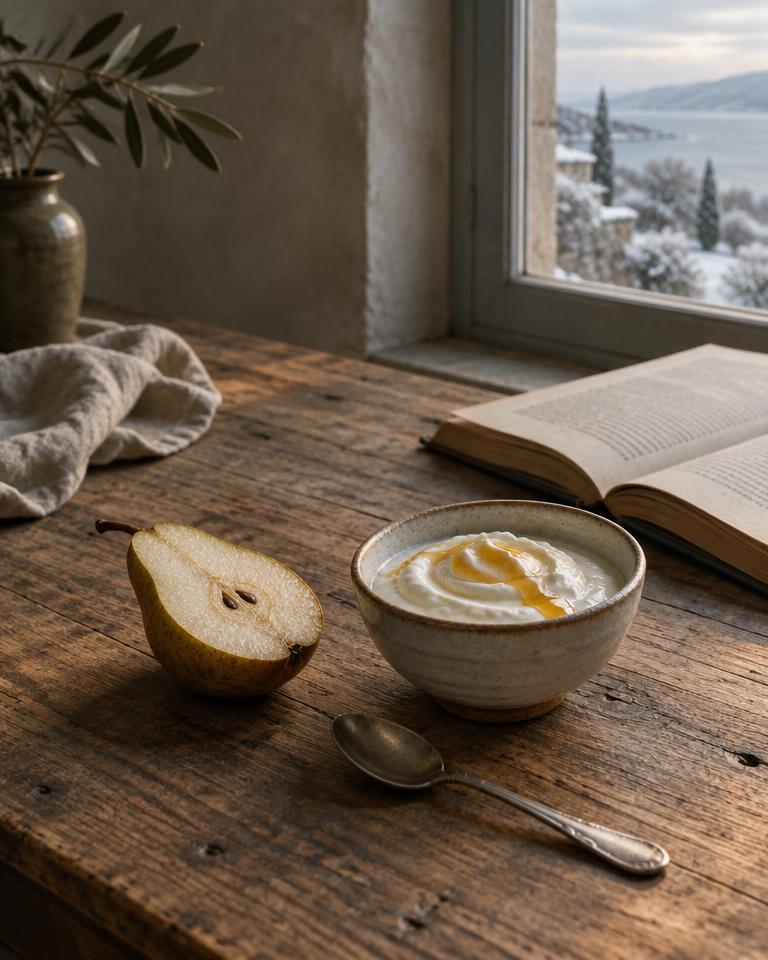
A 2,600-year-old Greek philosophy for beginning the year without extremes.
ReadFrom honeydew to hive: the intricate natural systems behind Greece's pine and fir honeys.
Read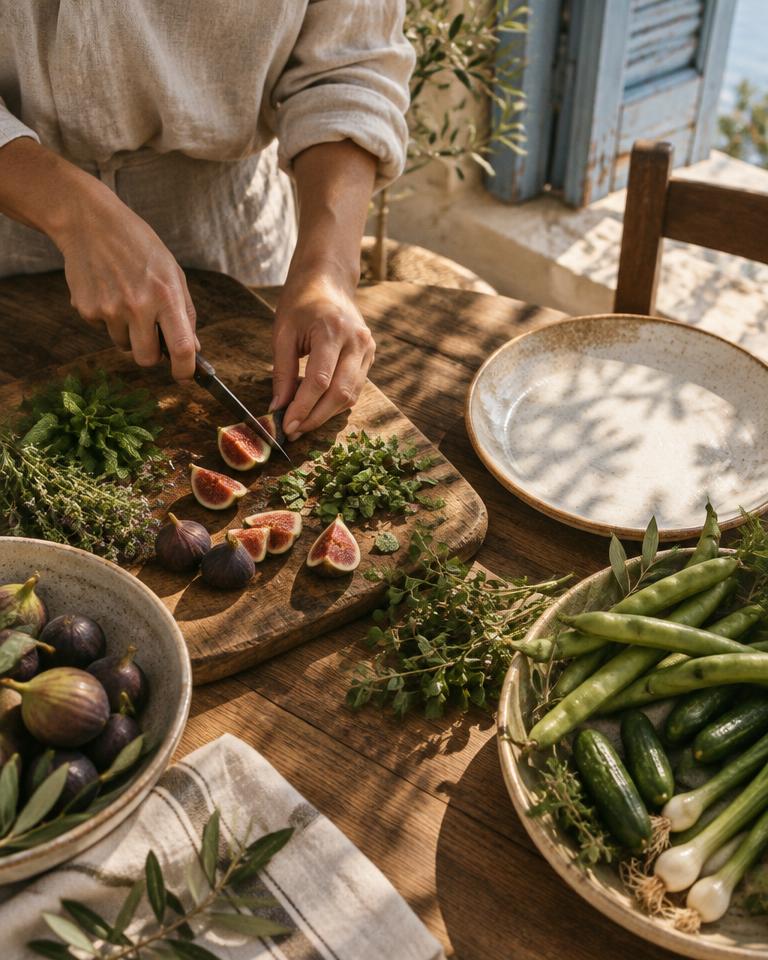
Holistic nutritional therapist Eleni on food, movement and mindset as summer gives way to routine.
Read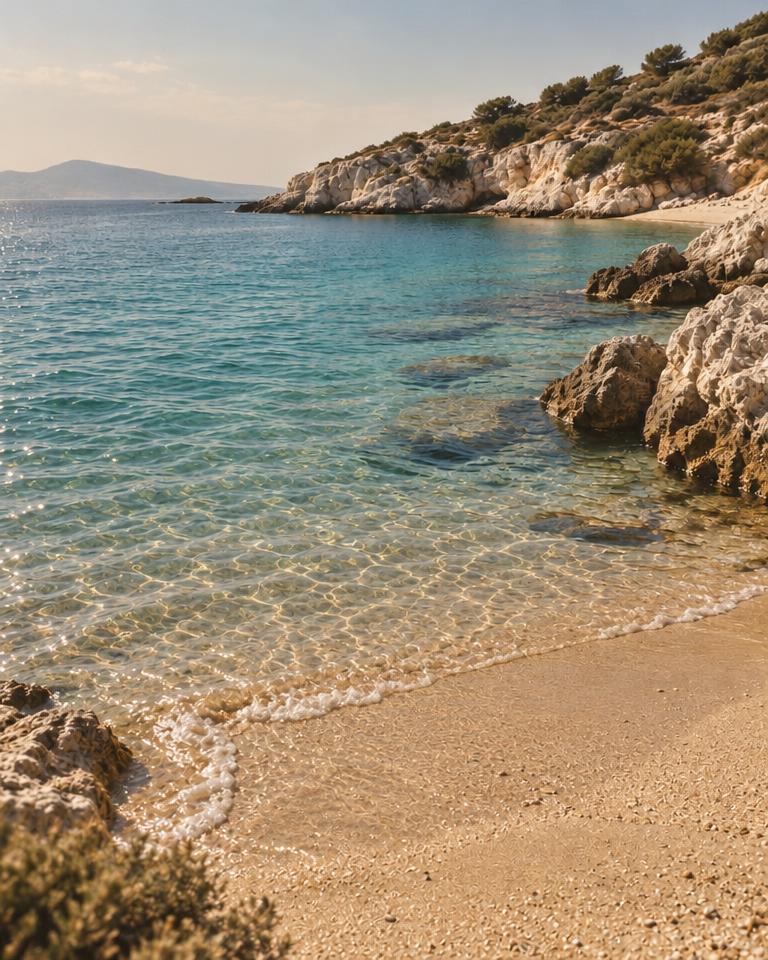
How the sea, sun and sand quietly recalibrate the body and mind.
ReadWhy pollen, provenance and minimal processing matter when choosing genuine honey.
ReadYes. Honeydew honey is made entirely by honeybees, and UK and EU law define honey as what bees make from flower nectar or from honeydew. The only difference is what the bees collect: sweet droplets from trees instead of nectar from flowers.
What is honeydew?
Honeydew is a sweet liquid found on the bark and needles of trees such as fir and pine. Tiny sap-feeding insects drink the tree's sap and leave the surplus sugars behind as droplets. Bees gather these droplets just as they gather nectar from flowers.
Do bees make it the same way as flower honey?
Exactly the same way. The bees carry the honeydew back to the hive, add their own enzymes, fan their wings to evaporate the water, and seal the finished honey in wax cells. Beekeepers then harvest it as they would any honey.
Is it anything to do with honeydew melon?
No. The melon and the honey simply share a name. Honeydew honey contains no fruit.
How is it different from flower honey?
Colour and taste: usually darker, with deeper malty, resinous or caramel notes and less sweetness. Minerals: naturally higher. The law requires honeydew honey to have an electrical conductivity of at least 0.8 mS/cm, a measure of mineral content. Our Fir honey tested at 1.28. Sugars: fewer of the simple sugars glucose and fructose, and more complex sugars such as melezitose. Texture: because it has less glucose, it stays runny far longer than most flower honeys.
Why is it rare?
Honeydew only flows when weather, trees and insects line up. Some years there is almost none. That's why our honeydew honeys are harvested once a year, in small batches.
Vanilla fir honey is a rare Greek honeydew honey made by bees in the fir forests of Mount Mainalo in the Peloponnese. It was one of the first Greek honeys to receive Protected Designation of Origin (PDO) status, in 1996, so only honey from that area can carry the name.
Why is it called "vanilla"?
The name describes its look, not an added flavour. The honey has a pale, pearly, cream-to-caramel colour, which beekeepers liken to vanilla. Nothing is added: it is 100% honey.
Where does it come from?
From the Greek fir forests of Mount Mainalo in Arcadia. Our hives sit at about 1,100 metres, far from farmland. The bees collect honeydew from the fir trees rather than nectar from flowers. Read: Is honeydew honey real honey?
What does PDO mean?
Protected Designation of Origin is an EU and UK scheme that ties a food's name to the place it comes from and the way it is made there, like Champagne or Parmigiano Reggiano. For vanilla fir honey, the PDO means it must come from the defined area around Mainalo.
What does it taste like?
Thick and creamy, with hints of orange blossom and citrus and a caramel finish. It's less sweet than most flower honeys.
Why is it so rare?
The fir trees only give honeydew in good years. Our beekeepers harvest once a year, in July, and some years there is little or no honey at all.
Does it crystallise?
Very slowly. Because it is a honeydew honey with less glucose than flower honey, it stays smooth and runny for a very long time.
Beneath every meadow, every olive grove, every hive and every harvest, there is a living system so vast and intricate that science has barely begun to map it. A single teaspoon of healthy soil contains more microorganisms than there are people on Earth — an entire civilisation working in silence to cycle nutrients, filter water, bind carbon and feed roots.
The parallels between soil and the human body are not metaphorical. Just as the gut microbiome regulates digestion, immunity and even mood, the soil microbiome regulates the health of everything that grows from it. It determines nutrient density, water retention, plant resilience and the quality of what eventually reaches our table.
When we disrupt this system through intensive farming, synthetic pesticides, monoculture, warfare or compaction, we do not just degrade the land but everything it produces, including ourselves. The loss happens gradually, season by season, as yields thin, flavour flattens and the land becomes dependent on the very inputs hollowing it out.
And yet restoration is possible. Diverse planting restores microbial variety. Reduced tillage allows fungal networks to rebuild. Compost reintroduces the organic matter that feeds microbial life. Small farms working with nature, rather than against it, hold some of the most biologically rich soils on the planet.
At Riza, our ethos is to work with producers who understand this instinctively: farmers and beekeepers who know that the quality of what they harvest begins long before the harvest itself. It begins in the soil, in the diversity of wildflowers that feed the bees, and in the roots that hold the hillside together after winter rain.
In the Greek Orthodox tradition, the beginning of Lent, known as Sarakosti, marks a 48-day period of spiritual and physical preparation leading to Easter. It is traditionally a time of fasting, prayer and charity, yet its intention is not deprivation for its own sake. Lent is understood as a period of reflection, cleansing and return to a better self.
Lent begins with Kathara Deftera, or Clean Monday, following three weeks of Carnival. The transition from excess to restraint symbolises purification and renewal. The day is celebrated with outdoor gatherings, the traditional flying of kites and a table of shellfish, unleavened bread, legumes and vegetables.
A distinctive symbol of this period is Kyra Sarakosti, a humble figure made from paper or dough, depicted without a mouth to represent fasting and with seven legs marking the seven weeks of Lent. Each week one leg is removed, a visual countdown to Easter.
In Greece, Lent remains embedded in the national rhythm. Even for those who do not strictly observe it, the season creates a collective pause that encourages restraint, reflection and reconnection.
Perhaps Lent offers modern wellness culture not a better fasting protocol, but a reminder: sustainable practice is not just about restriction. It is about what you are building towards. Fasting for introspection, renewal or community creates a framework that sustains itself. Fasting from something, without deeper intention, is just another diet with a timer.
January arrives with impossible expectations already attached. One moment we are immersed in the comfortable chaos of the holidays, and the next we are supposed to transform through flawless routines and discipline. Perhaps what we need is not a dramatic overhaul, but moderation.
The ancient Greeks had a phrase for it: pan metron ariston — everything in moderation. Aristotle listed moderation among the moral virtues, defining virtue as the mean between extremes. It was not simply a rule for eating or exercise, but a broader philosophy for living.
Modern health culture often follows a pattern of rigid routines, endless supplements and all-or-nothing thinking. When that effort collapses, it can feel like failure. Often it is not failure, but a mismatch between the goal and the realities, needs and values of the person expected to sustain it.
Moderation is not about doing less or doing more. It is about doing what genuinely serves you, at a pace that does not derail you. Move your body in ways that bring energy rather than punishment. Eat what you crave, but slowly and mindfully enough for your body to register satisfaction.
At Riza, we are guided by the same principle: nourishment should be honest, intuitive and deeply connected to nature's rhythm. Pan metron ariston. A philosophy 2,600 years old, and still one of the most sensible approaches we have.
December arrives with familiar rituals. The fir tree is adorned with ornaments that tell our stories, and gifts begin to gather beneath its branches. Yet beyond festive decoration, this same tree bears another gift less known and far more remarkable: fir tree honey.
Tree honey originates from honeydew, a sweet liquid produced by small insects feeding on the phloem of pine and fir trees. Bees collect it from branches, needles and bark during the summer, when floral nectar is scarce, then process it in the hive just as they would nectar.
Pine honey is a cornerstone of Greek beekeeping. Ours comes from a single August harvest on Evia: thick, light in colour and very slow to crystallise, with a resinous, malty depth.
Fir honey is far rarer, accounting for only a small fraction of Greek production. It appears under very specific conditions and is recognisable by its golden colour, velvety texture and smooth notes of caramel, vanilla and fir wood.
Long before fir trees became symbols of festive celebration, they belonged to an intricate natural system that offered sustenance, healing and connection. Fir tree honey is one of its most understated gifts — a reminder that nature remains the most generous giver.
As September begins and we shift from summer's stillness into routine, we sit down with holistic nutritional therapist Eleni to ask how food, movement and mindset can steady the body and mind through the transition.
Ayurveda is an ancient system of lifestyle and medicine centred on preventing disease and keeping the body in balance. Honey is considered a food that supports ojas, or vitality, while tahini is valued for its rich micronutrient and macronutrient profile.
Eleni's advice is to focus less on passing diet trends and more on nutritious food, an adequate amount of it, and a balanced plate. A vital part of eating is how we think and feel while we eat; when food becomes another source of obsessive measurement, it stops serving us.
Routine can help: breakfast in the morning, the largest meal around midday when digestion is strongest, and dinner early enough to leave space before sleep. Yet these are guides, not new rules to become anxious about.
Her most practical advice for working life is simple: cook at home when possible, pack leftovers, step away from the screen to eat, and take even a short walk after lunch. Most importantly, do not stress too much. Health is also our relationship with food, and that relationship can become simpler, more resourceful and more joyful.
For many, summer marks the quiet height of the year: a season defined by stillness, sun and the rare permission to step outside routine. Near the coast, something more fundamental is at work. Sea, sun and sand do not simply help us unwind; they support physical restoration.
The sea is nature's active healing agent. The therapeutic potential of seawater has been recognised since Hippocrates: mineral-rich salt water can soothe the skin, while buoyancy eases strain on joints and the sound of waves invites the parasympathetic nervous system towards calm.
Sunlight allows the body to synthesise vitamin D, supporting bone strength, immunity and hormonal balance. Timing and care matter. Morning light also plays a vital role in regulating circadian rhythm — the internal clock governing sleep, energy, digestion and mood.
There is a grounding that occurs when bare feet meet warm sand. Beyond the sensation, it asks us to become present to the physical world and to step, however briefly, outside the artificial environments that define so much of modern life.
As August unfolds, remember that beneath the ease of summer is a quiet restoration. Linger a little longer in the sun, let your feet rest in the sand and return to the sea when you can. The season is fleeting, but its effects can last through the year.
Honey is often marketed as nature's healthy sweetener, but how do you know whether the jar in your pantry is the real deal? Many mass-market products undergo ultrafiltration, a process that makes honey look clearer and last longer while removing the pollen used to verify its origin and authenticity.
Processed or adulterated honey loses many of the nutrients that make it valuable. When origin is obscured, consumers also lose transparency and trust — and substandard products can evade scrutiny.
Genuine single-origin honey offers far more than sweetness. It keeps its natural enzymes and pollen, which carry the character of the place it was harvested. Responsible production also supports the ecosystems on which pollinators depend.
Not all honey is created equal. Look for honey that guarantees natural sourcing and strict production standards: raw, unfiltered, minimally processed and traceable to its place of harvest.